
Frequently Asked Questions
About Acupuncture
Does acupuncture hurt?
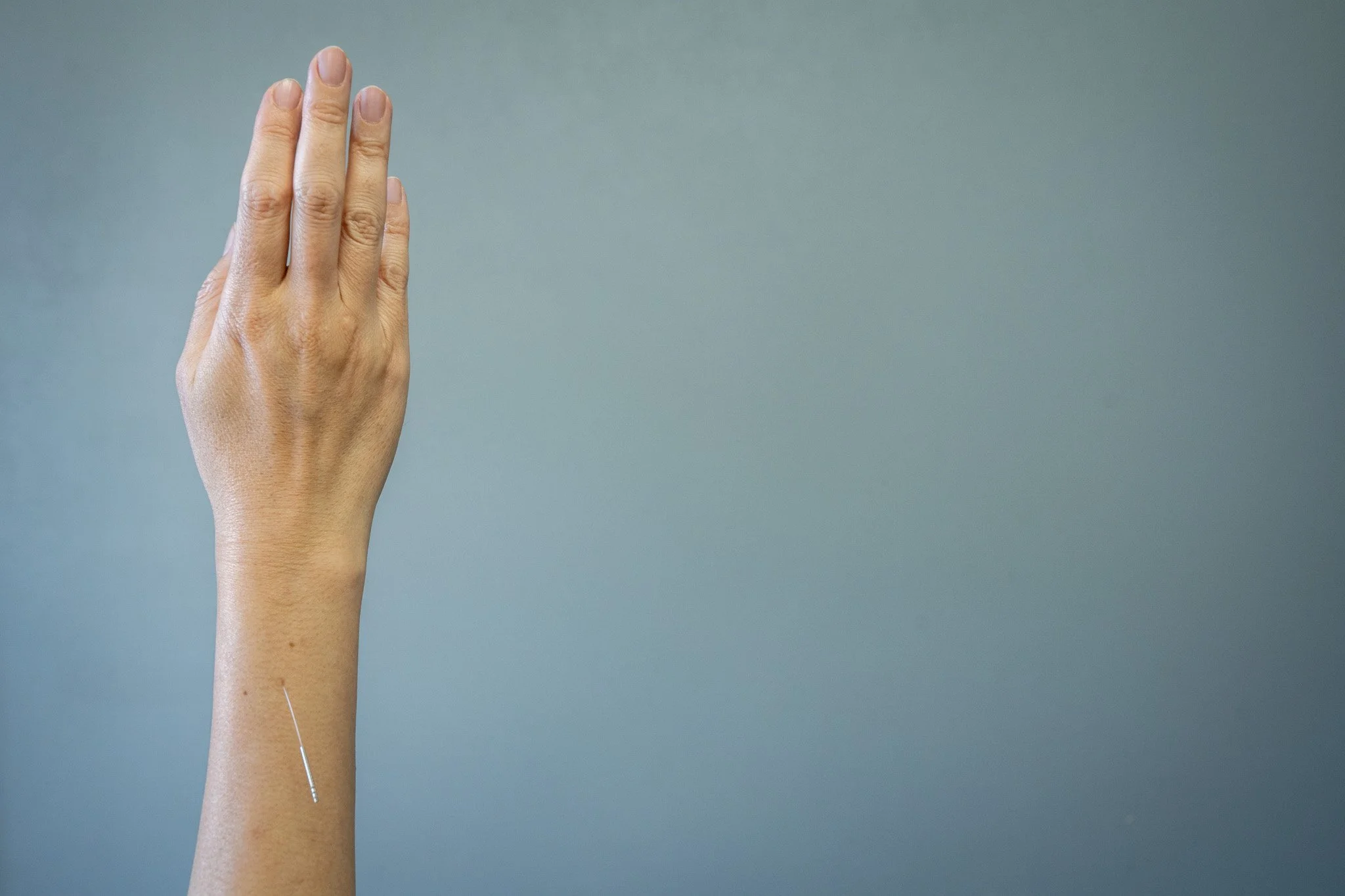
This is the most common concern for first-timers — and the most common surprise. Japanese-style
acupuncture uses extraordinarily fine needles, far thinner than anything used for injections. Most people feel
little to nothing at all, and many fall asleep during treatment. The sensation, when felt, is typically a very mild
heaviness or warmth rather than pain. If at any point you feel uncomfortable, just let us know and we'll adjust
immediately.
Is acupuncture safe?
Yes. Acupuncture has been practised safely for thousands of years and is widely recognised as a safe
therapy when performed by a qualified practitioner. At Sanpodo, all treatments are carried out by Miho Abe, a
licensed acupuncturist and anma massage and shiatsu therapist. We use single-use, sterile disposable
needles for every session.
How many sessions will I need?
It depends on what you're coming for. Acute or specific issues may respond quickly — sometimes within a
handful of sessions. Longer-standing conditions or those linked to lifestyle factors generally benefit from a
course of regular treatment. For general wellness and preventive care, many clients come once every two to
four weeks as an ongoing practice. We'll give you an honest assessment at your first visit.
How will I feel after a session?
Most people feel deeply relaxed — sometimes pleasantly drowsy — immediately after treatment. This is a
good sign. Some clients notice improvements in sleep, digestion, or energy within the first day or two.
Occasionally, symptoms may temporarily feel slightly more pronounced before improving; this is a normal
part of the body's response and passes quickly.
Can I combine acupuncture with my existing medical treatment?
In most cases, yes. Acupuncture works well alongside conventional medical care, and many clients use it to
complement rather than replace treatment they're already receiving — including fertility clinic treatments,
dermatological care, physiotherapy, and medication. If you have specific concerns, please mention them
during your consultation and we can advise accordingly.
About Visiting Sanpodo
Do you offer consultations in English?
Yes, fully. Miho is fluent in English and all consultations, treatment discussions, and aftercare advice are
available in English. You don't need to speak any Japanese.
Do I need to book in advance?
Yes, advance booking is required. As a single-practitioner clinic with one treatment room, we don't accept
walk-ins. Please get in touch via our Contact page to arrange your appointment.
How long is a session?
A standard treatment is approximately 30 minutes. The Tokyo Acupuncture Experience — our package for
visitors — runs approximately 60 to 75 minutes including consultation, treatment, and a home care lesson.
What should I wear?
Comfortable, loose clothing is ideal. Depending on the treatment, we may need to access your arms, legs,
back, and abdomen. You don't need to bring anything special — just come as you are.
What should I do before my appointment?
Try to eat a light meal a couple of hours beforehand — coming on an empty stomach isn't recommended.
Avoid alcohol on the day of your treatment. If you're coming straight from intense exercise, give yourself a
little time to settle first.
Is there anything I should tell you before treatment?
Please let us know if you are pregnant, have a pacemaker, are taking blood-thinning medication, have any
bleeding disorders, or have recently had surgery. Also let us know about any conditions you've been
diagnosed with or medication you're currently taking. Everything you share is treated with complete
discretion.
Do you see children and babies?
Yes. We offer gentle paediatric acupuncture for children from newborns through to teenagers, using
needle-free Teishin techniques for younger children. Parents are welcome to stay throughout the session.
See our Children & Teens page for more details.
Practical Information
Where are you located?
We are in Shibuya, Tokyo, easily accessible from Shibuya and Daikanyama stations. Full address and
access details are on our Contact page.
What are your opening hours?
Please get in touch via our Contact page for current availability. We recommend reaching out in advance to
secure your preferred time.
What payment methods do you accept?
We accept major credit cards including international cards, as well as cash. Payment is made in-store on the
day of your appointment.
Do you have a cancellation policy?
We ask for at least 24 hours notice for cancellations or rescheduling where possible. As a single-practitioner
clinic, late cancellations are difficult to fill at short notice. We appreciate your understanding.
Do you offer gift vouchers?
The Tokyo Acupuncture Experience makes a wonderful gift for visitors to Tokyo. Please get in touch directly
to arrange a gift booking.
For Visitors to Tokyo
I've never tried acupuncture before — is this a good place to start?
Sanpodo Acupuncture — English Site v1 | Page 25 of 29Absolutely. Miho has extensive experience treating first-timers from around the world, including years working
as the sole acupuncturist on a luxury cruise ship serving international guests. Making people feel at ease —
especially those who are new to acupuncture — is something she does naturally. Many of our most loyal
clients started as curious first-timers.
I'm only in Tokyo for a few days — is it worth coming?
Yes, even a single session can be genuinely valuable — for relaxation, for addressing a specific issue, or
simply as a memorable and restorative experience during your stay. If you have a specific health concern, let
us know when you get in touch and we can make the most of your time.
Is the Tokyo Acupuncture Experience suitable as a cultural experience?
Very much so. Japanese acupuncture has a distinct tradition and philosophy that differs meaningfully from
acupuncture as practised in other countries. A session at Sanpodo gives you direct access to that tradition, in
a clinic that has been practising it for over 30 years, with a practitioner who will explain the approach in
English throughout.